
Stop the Data Centre
Find your local campaign
Your Location
40
of 100
signatures
signatures
across
3 local campaigns
Campaigns (3)
-
Ottawa
 Stop AI Data Centres OttawaGovernments across Canada are racing to attract AI data centres by offering up electricity, water, land, infrastructure and public money. Big Tech captures the profits while communities pay the price. This includes strain on the energy grid, infrastructure costs, the damaging impacts on water and land and potentially higher energy bills. The federal government announced that it plans to construct a data centre within the Ottawa Region. The project would use 60 megawatts, enough energy to power at least 30,000 homes. Before anything is committed, we are calling on the Ottawa City Council to pass a data centre moratorium, understand the impacts of what data centres will do to Ottawans, and consult community before going forward. Ottawans won't pay the price for Big Tech's Data Centre.29 of 100 SignaturesCreated by Vi Bui
-
Toronto
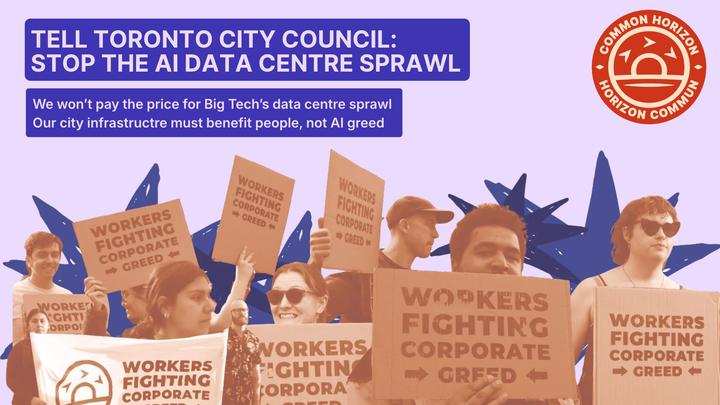 Tell Toronto's new city council: Stop the Data Centre BuildoutProvincial and Federal governments across the country are competing to attract AI data centres by offering electricity, water, land, infrastructure, and public money. The tech corporations building them stand to capture enormous private and public benefits. Communities may be forced to accept the consequences: strain on electricity systems, new infrastructure costs, impacts on water and land, environmental disruption, and potentially higher costs for households. Momentum against data centres is building both in the GTA. While ordinary folks grapple with the cost-of-living crisis and rising rent costs, we will not sit back while these projects strain our infrastructure and resources, and more record profits accumulate at the top. Mississauga and Oakville have already demonstrated leadership by passing moratoriums on new large-scale data centre projects. It's time for Toronto to do the same. Too many of these decisions are being made quickly, in confidential negotiations, before the public has been told what they will cost or asked for consent.6 of 100 Signatures
-
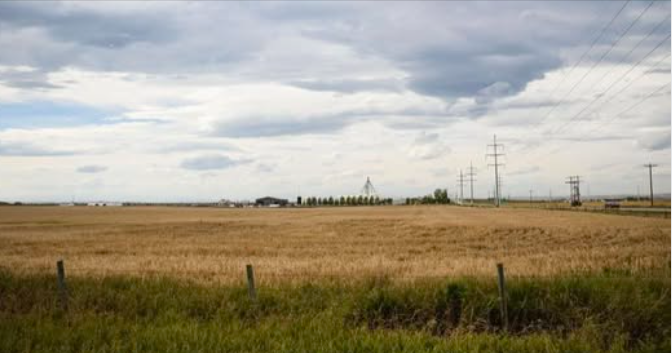 Stop the Foothills Beacon AI Data CenterA private company wants to build a $4 billion, 400-megawatt industrial computing facility on 260+ acres directly across Highway 2 from High River. Foothills County already approved the rezoning in February 2025, after a public hearing where only three residents showed up with questions. Most of us are only now hearing the real details. Here's what should give us pause: We don't actually know what will power it. Alberta's grid is maxed out; the province's cap on new large industrial power connections is already fully claimed by other projects. Beacon, the company behind this data centre, has responded to that exact problem at its other Alberta sites by proposing to build its own on-site natural gas power plant. Nothing like that has been filed here yet, but if High River follows the same playbook, we could end up next to a gas plant, not just server racks. The "zero water" promise is only half the story. Air-cooled design avoids direct water use, but it does so by drawing significantly more electricity. If that power comes from an on-site gas plant, we haven't avoided an environmental cost. We've just moved it from water to emissions. This sits near one of Alberta's most important bird habitats. Frank Lake draws birders from around the world and hundreds of visitors a day in migration season. This community has organized before to protect it; a solar farm proposed near the lake drew real local pushback over habitat risk. A 24/7 industrial complex raises the same kind of questions, and so far nobody's had to answer them. Foothills County brands itself as Dark Sky Country, with an actual bylaw protecting our night skies and a partnership with a real observatory. A facility running security lighting and equipment around the clock doesn't fit that identity, and no lighting plan has been made public. Farmland, converted for good. This land was rezoned from agricultural to industrial business park. Once something this size is built, it doesn't revert to farmland. 300 jobs for a $4 billion, 260-acre footprint. That's the developer's own number. These facilities are built to run largely on their own; this is a massive amount of land and investment for a relatively small number of permanent local jobs. The rezoning already happened. The next step, the development permit, where noise limits, lighting plans, and emergency response actually get decided, hasn't been filed yet. That's our window.5 of 100 SignaturesCreated by Suzanne Roy